How to Prepare for a Long Hike
Some of the most memorable experiences for many people involve hiking deep in the wilderness with their families or friends. Getting away from the constant struggle of city life has brought many people to the deep wilderness to explore and be with nature. Hiking in wild, natural areas away from the crowds that throng popular trails is a great way to experience nature, but you have to be prepared in order to avoid potential danger. 
On less populated trails, there isn’t as much opportunity to call for help if you get lost or injured. Backpacking especially carries this risk. The first thing you should do before you set out on your adventure into the wild is tell someone where you’re going and when you plan on coming back. If you get stranded, at least one person will know that you didn’t come back from your hike and they can notify the police to look for you. Next, no matter where you are, you have to bring a good amount of water. Even in the deepest, coolest temperate rain forest, you can suffer from dehydration. You want to avoid drinking natural water sources if possible, due to contamination from bacteria and other dangers. Carry more water than you think is necessary in case you get stranded.
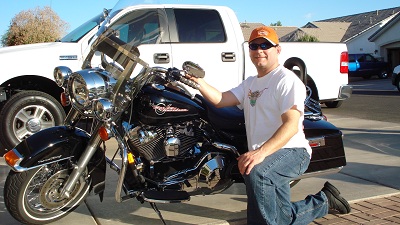
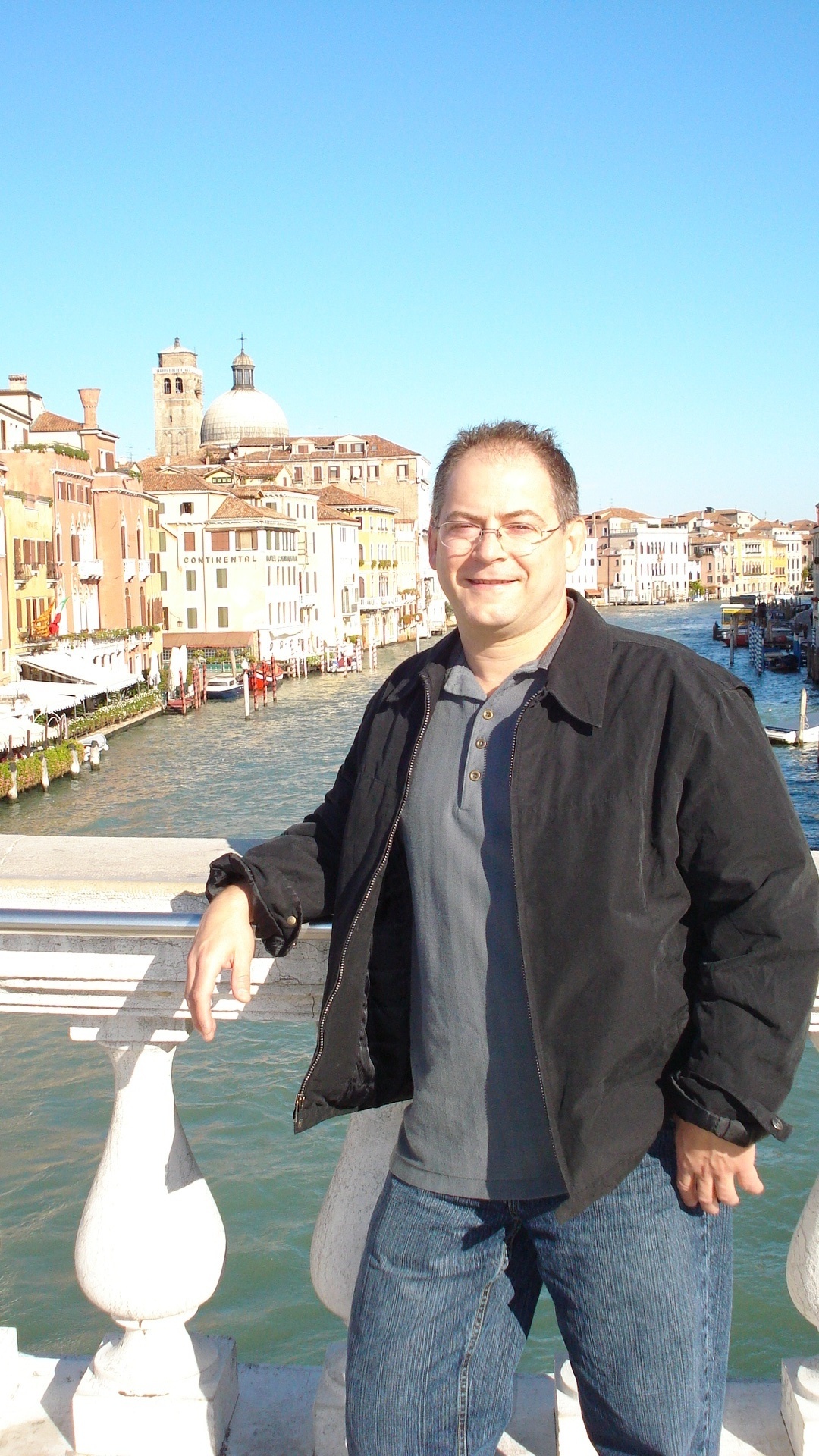
William Guzick has worked in the electronics industry of Arizona and California for fifteen years, and is an experienced hiker. Since he and his family live in Arizona, there are many natural areas to explore. Guzick enjoys taking long hikes with his wife and three daughters whenever he can.
Getting Active and Staying Active - The Importance of Regular Exercise
By now, you have heard all of the benefits of getting regular amounts of exercise every day. You have heard all different amounts of time you should be running every day to stay healthy, various amounts of time spent at the gym, etc. Regular exercise is important for heart health, circulation, the lungs, and even the brain. If you want to get stronger and more in shape for sporting events or other rigorous, competitive activities, you have to be disciplined. If you only want to get into better shape for the good of your future health, you only have to keep to a short, fun exercise routine. If you don’t regularly exercise, start small and work your way up. Do activities that you enjoy to stay on schedule.
.jpg?timestamp=1444995817297)
Most fitness coaches recommend jogging as a regular activity. Jogging has its benefits—you can explore new areas of your city, run at whatever pace you want and for as long as you feel necessary, and it has excellent effects on the body for the short and long term. However, jogging is not for everyone. Those with bad knees or ankles could suffer injuries from the constant pounding jogging puts on those joints. Others simply don’t have the patience. If you don’t particularly like jogging, don’t do it. You’re more likely to keep at an activity that you enjoy, like playing basketball or rowing, than forcing yourself to do something you don’t want to do on a daily basis.
William Guzick is a Certified Cost Estimator working for ON Semiconductors near his home in Chandler, Arizona.
Career Opportunities for Accounting Majors
The career opportunities for accounting majors in college today have never been more plentiful. With many more financial regulations coming from Washington, DC and from local and state governments, the need for skilled and knowledgeable accountants has never been higher. The most common career path for accounting majors is that of the Certified Public Accountant, or CPA. These professionals can work for themselves by setting up their own practice, or by working for a government entity or corporation. A great way to start gaining experience before you earn certification as a public accountant is to work for a small business or a non-profit organization.
.jpg?timestamp=1444210508659)
Working as a CPA is very rewarding, both in salary and in the work itself. But being a CPA is not the only way to a great career with an Accounting degree. You can also earn certification for being a Cost Estimator. These analysts negotiate deals for raw materials and other supplies or projects for companies. With a certification from one of the three Cost Estimator certification bodies, you can work in any number of sectors as a Certified Cost Estimator and Analyst. Earning an Accounting degree is often the first step for Cost Estimators trying to earn certification.
William Guzick earned his Accounting degree in 1983. He went on to earn his Cost Estimator certification, and today he is the Director of Strategic Sourcing for ON Semiconductors near his home in Chandler, Arizona. Guzick’s career has been rewarding up to this point, with him spending fifteen years in the electronics industry in California and Arizona.
How to be a Successful Certified Cost Estimator
Certified Cost Estimators make good livings in a variety of sectors. In the past, Cost Estimators have worked almost exclusively in the construction sector, but today, with business costs rising and growing more complex for many different companies across many sectors, the demand for good, certified Cost Estimators has risen. In order to work as a Certified Cost Estimator, you have to gain experience and education in the discipline, and apply for certification.
.jpg?timestamp=1443770222581)
The most common first step for aspiring Cost Estimators is to earn a Bachelor’s degree in engineering, mathematics, or construction management. In the past, the vast majority of Cost Estimators took construction management because they typically went into that field. That is no longer the case, and as long as you can demonstrate skill in analytics and mathematics with your degree, you’ll be able to break into a sector as a Cost Estimator if you work hard. While you attend college, take an internship or two to gain valuable experience before you hit the workforce.
After college, take any entry-level job in the field of your choice as a Cost Estimator or an assistant. Try to stick to jobs that relate to your basic duties as a Cost Estimator—analyzing work orders, projecting cost and profits, etc. When you have enough experience, you can apply for certification from one of the certifying bodies for Cost Estimators.
William Guzick is a Certified Cost Estimator working well as the Director of Strategic Sourcing for ON Semiconductors in Chandler, Arizona.